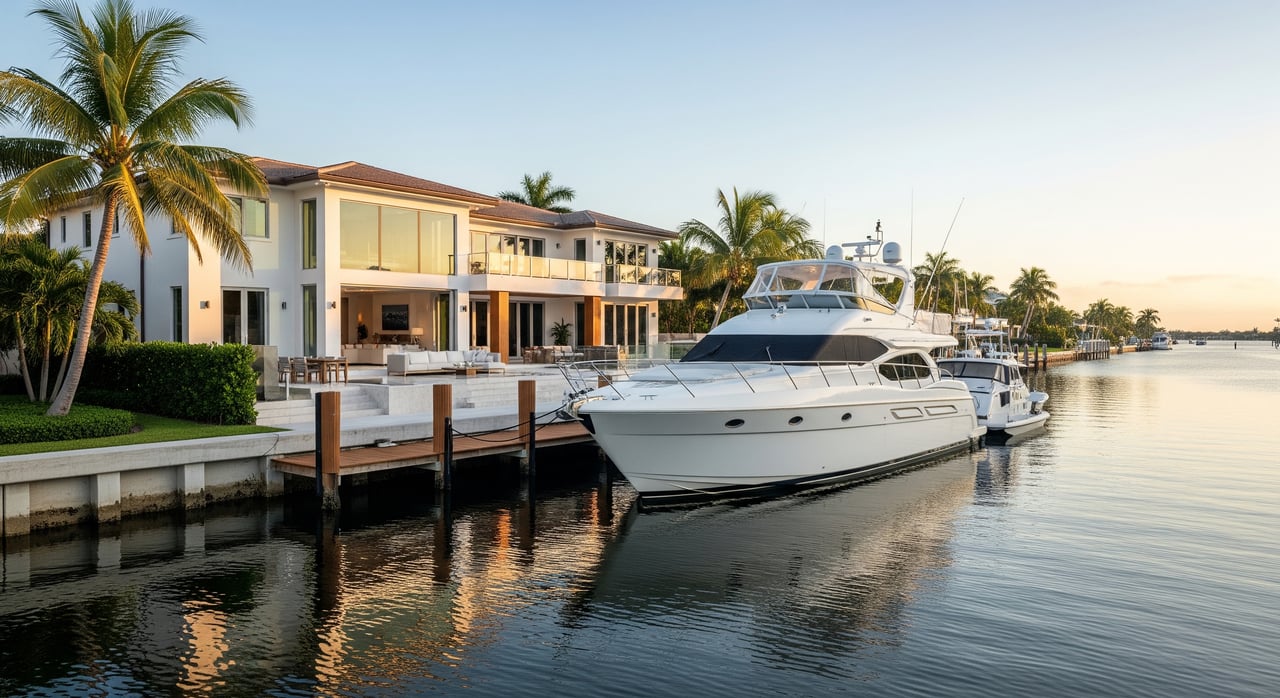
Picture this: you step out to your backyard, untie the lines, and in short order you’re gliding along the Intracoastal Waterway toward the Atlantic. If you’re exploring South Florida for a second home or a relocation anchored by boating, that scene is everyday life in Lighthouse Point. You want easy dockage, reliable ocean access, and a neighborhood that understands boat ownership. This guide walks you through what boating life feels like here, what to look for in a waterfront property, and how to plan for smooth, safe days on the water. Let’s dive in.
Why Lighthouse Point appeals to boaters
Lighthouse Point is a small, primarily residential city in northern Broward County known for its canal network and private, canal‑front lots. Many homes sit directly on navigable canals that connect to the Intracoastal Waterway, giving you a fast route north and south along the coast. From most canal homes, you can reach Hillsboro Inlet to the north or Port Everglades to the south in a short run, depending on your location and vessel speed. The result is a lifestyle built around morning fishing trips, afternoon cruises, and sunset returns to your own dock.
Waterfront homes and dockage
Property types to expect
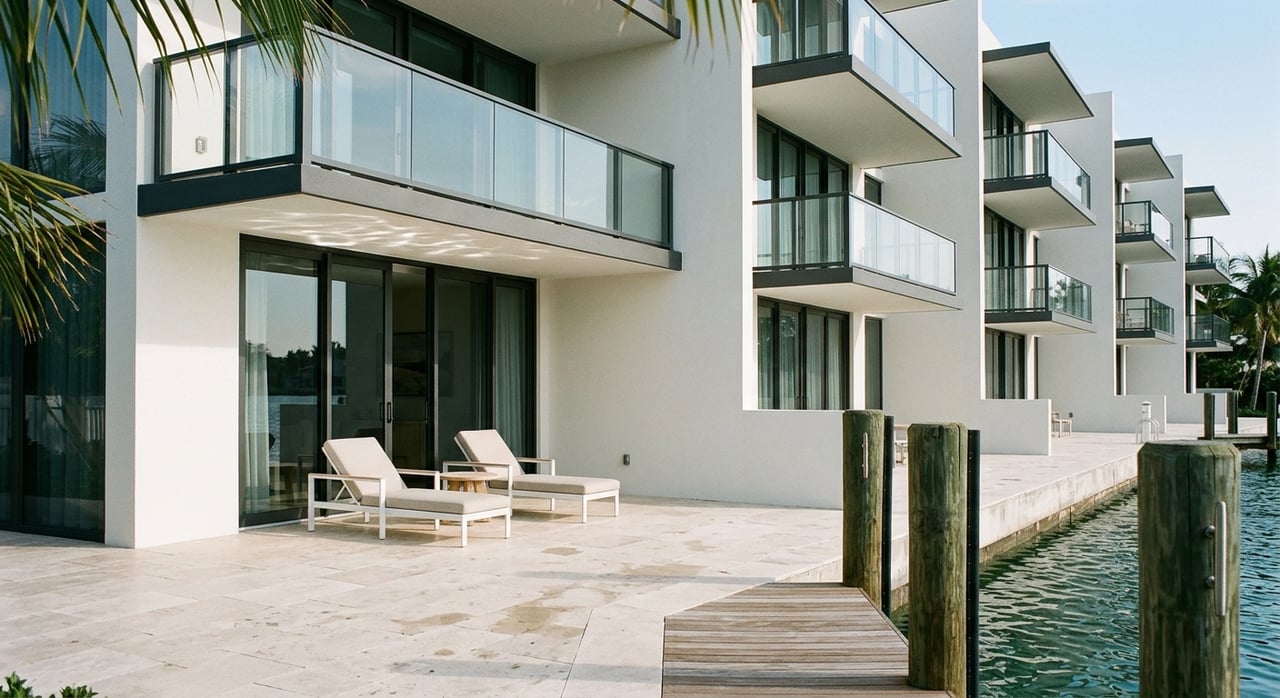
The signature housing type is the single‑family canal‑front home with a private dock and seawall. You’ll also find smaller condominium or townhome communities with shared dockage available to residents. Interior homes away from the water are available too, but they do not provide private boat access. If daily boating is your priority, focus on canal‑front properties or condos with deeded or assigned slips.
What to verify at the dock
Before you fall in love with the view, confirm the rights and the infrastructure. Ask whether riparian and upland shoreline rights convey with the property and whether any easements or covenants affect dock use. Check that the dock, lift, and seawall were built with required permits and are compliant with current city and county codes. Review a recent seawall inspection and ask for measured water depth at mean low water, since canal dredging and shoaling can impact usable depth even with South Florida’s modest tides.
Boat size, width, and bridge clearance
Your practical boat capacity comes down to lot width, finger pier length, canal depth, and any air draft limits near fixed bridges or utilities. Many Lighthouse Point canals comfortably accommodate runabouts and express cruisers, and a large portion of canal lots handle boats in the 20–40 plus foot range depending on the specific canal and lot dimensions. Larger yachts are more commonly serviced by commercial marinas closer to the inlets and Port Everglades for fuel, haul‑outs, and major maintenance. Verify air draft and channel constraints on your planned route before committing to a vessel size.
Shared dockage at condos and townhomes
Some smaller condominium and townhome communities offer shared docks or slip assignments. Slip sizes and permitted vessel lengths vary based on the community, lot layout, and permits. Confirm the rules, any waitlists, and what conveys with the unit. If you plan frequent offshore runs, also ask about on‑site power, water, and potential lift installations.
Navigation and ocean access
ICW routes and nearby inlets
From most canal homes, you’ll exit to the Intracoastal Waterway and head north to Hillsboro Inlet or south to Port Everglades for Atlantic access. Travel times range from minutes to a few tens of minutes depending on your street-to-canal location, no‑wake zones, and cruising speed. Expect routine day trips offshore and convenient weekend cruising up and down the Broward and Palm Beach coasts. For reliability, many owners plan fuel stops and service around marina options near these inlets.
Tides, currents, and local conditions
South Florida’s tidal range along the Broward coast is typically under 2 feet, but low water can still matter in private canals, especially where dredging or shoaling has changed depths. Inlets can experience shifting sandbars, marked channels, and current, so plan passages carefully and consult current charts and notices to mariners. Offshore, the Gulf Stream can influence conditions near the coastline, so remain flexible with timing when heading out or returning. If you are new to the area, consider your first few runs during favorable conditions and daylight.
Daily rhythm on the water
A typical Lighthouse Point day might start with a sunrise run through the ICW, a quick hop out the inlet, and lines in before breakfast. Midday, you can detour to a nearby marina for fuel, bait, or a pump‑out, then drift back to your dock for a swim and rinse down. Evenings often revolve around waterfront dining, private dock gatherings, or yacht‑club events in the Pompano and Fort Lauderdale area. Many residents keep their boats ready for quick outings, with routine maintenance baked into the weekly schedule.
Local services and amenities
You’ll find a full spectrum of boating support across Pompano Beach and Fort Lauderdale. Public and private marinas offer transient and longer‑term slips, fuel, pump‑outs, and haul‑out lifts for serious maintenance. Local boatyards and marine mechanics handle everything from bottom painting and hull repairs to electronics and upholstery. On‑water assistance providers operate along the Broward coast, and charter fishing and diving operators are active if you want to learn local waters or entertain visiting guests.
Hurricane season and insurance
Hurricane season runs from June 1 to November 30, and planning is essential. Many marinas offer hurricane plans, but space is limited, so reserve early and confirm requirements for haul‑outs, moorings, or inland storage. Review boat insurance and your home’s flood and wind coverage too, since FEMA flood maps, wind exposure, and hurricane risk affect premiums and insurability. On the water, follow local safety rules, no‑wake and manatee zones, and ensure you carry the required registration and safety equipment.
Buyer checklist for showings
Use this quick list during property tours and due diligence:
- Does the property convey riparian and upland dock rights, or is dockage via easement or HOA?
- Are dock, lift, and seawall permitted and compliant with current city and county codes?
- What is measured water depth at the dock at mean low water? Any recent soundings available?
- What is the lot width and finger pier length, and what maximum vessel length and beam are practicable?
- Does the dock have adequate shore power, water, and a lift? Is electrical up to code?
- When was the seawall last inspected or replaced? Are there engineering reports or estimates?
- Are there recorded covenants or restrictions that affect docking, rentals, or modifications?
- Which nearby marinas offer fuel, haul‑out capacity, storage, and major service for your vessel class?
- What is the hurricane plan for boats at this location, and where could you secure haul‑out during peak season?
- What FEMA flood zone is the property in, and what are current flood insurance requirements and costs?
- What no‑wake zones, bridge clearances, and seasonal wildlife protections apply along your route to the inlet?
Choosing the right fit
Start with how you want to boat: frequent offshore fishing, day cruising, or quick sunset hops. Then match the property to the plan by verifying canal depth, air draft near any fixed bridges, and the practical vessel size your lot can support. If you are comparing several homes, map each route to the inlets and note low‑speed zones and potential pinch points. A thoughtful match between your boating goals and the home’s water access makes everyday use simple and enjoyable.
Work with a concierge team
If you are buying from out of the area, you deserve a calm, coordinated process. A boutique team can line up permitted‑work checks, seawall inspections, flood zone insights, marina introductions, and trusted marine vendors so you move forward with confidence. The Bernal and Hudson Team offers buyer representation, relocation support, and bilingual service, with access to private and off‑market opportunities and the marketing reach of a global brokerage partner. When you are ready to explore Lighthouse Point waterfronts that fit your boating life, connect with The Bernal and Hudson Team for tailored guidance from search to closing.
FAQs
Is Lighthouse Point suitable for larger yachts?
- Many canals accommodate 20–40 plus foot boats depending on lot and canal; larger yachts are often best supported by commercial marinas near the inlets and Port Everglades.
How long does it take to reach the ocean?
- From most canal homes, it is typically minutes to a few tens of minutes to Hillsboro Inlet or Port Everglades, depending on location, speed, and no‑wake zones.
What should I check on a dock and seawall before buying?
- Verify permits and code compliance, seawall condition, water depth at mean low water, shore power capacity, lift condition, and any easements or restrictions.
Do condos in Lighthouse Point offer dockage?
- Some smaller condo and townhome communities offer shared dockage or assigned slips; confirm slip sizes, rules, waitlists, and what conveys with the unit.
How should I plan for hurricane season with a boat at home?
- Arrange a hurricane plan early, consider marina haul‑outs or storage, review insurance, and follow local guidance on securing vessels during storms.
Are tides a factor for private docks in Broward canals?
- The tidal range is typically under 2 feet, but canal dredging and shoaling can affect low‑water depth, so always confirm measured depths at the property.