Trying to decide between a gated or open neighborhood in Boynton Beach can feel like comparing two great but very different lifestyles. You want the right blend of amenities, rules, and costs that fits how you live day to day. In this guide, you will learn the real differences in amenities, fees, association rules, maintenance, and due diligence. You will also see a simple framework to choose with confidence. Let’s dive in.
What “gated” and “open” mean in Boynton Beach
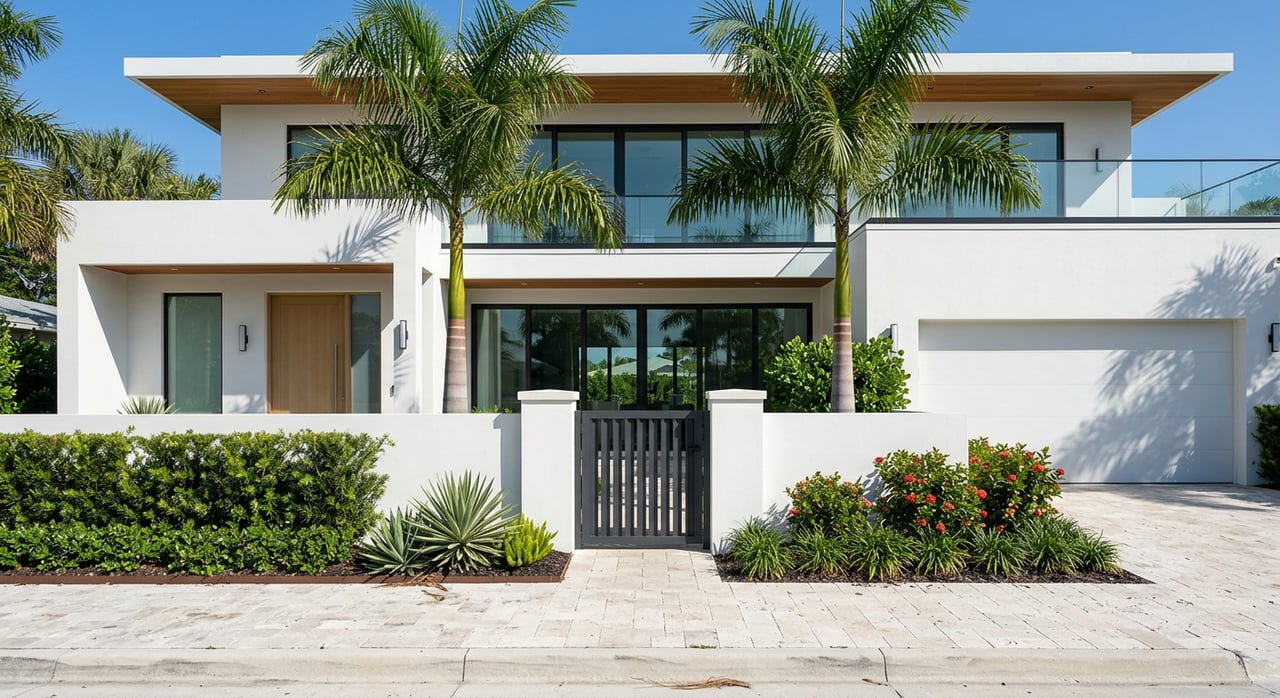
In Boynton Beach, a gated neighborhood is a community with controlled vehicular access and an association that usually maintains shared spaces and amenities. Many include clubhouses, pools, and courts. Some are 55+ communities with age restrictions set by the governing documents.
An open neighborhood uses the standard public street network without a controlled gate. These areas can be non‑HOA or have smaller associations that manage limited common areas. Across Boynton Beach, both options are common.
Lifestyle and amenities
Gated neighborhoods: Convenience and community
Gated communities in the Boynton Beach area often offer:
- Clubhouse, fitness rooms, and social spaces
- Community pool and courts for tennis or pickleball
- Organized activities and a community calendar
- Grounds, irrigation, and common landscaping handled through dues
- On‑site or contracted community management
- In some cases, 55+ age restrictions defined in the documents
You get a set package of amenities and a coordinated look that the association helps maintain.
Open neighborhoods: Flexibility and variety
Open neighborhoods typically provide:
- More flexibility for exterior choices within local codes
- Fewer centralized amenities, with public parks used instead
- Lower or no monthly association dues more often
- More personal responsibility for yards and exterior upkeep
You trade bundled amenities for more control over your property and, in many cases, fewer rules.
Cost structure and monthly dues
Fees vary by community design and amenity level. In amenity‑rich gated neighborhoods, monthly dues are often higher because the budget covers facilities, private roads in some cases, and professional management. In open neighborhoods with few or no shared facilities, dues may be lower or not present at all.
What your dues may cover (confirm in the budget and governing documents):
- Landscaping of common areas and irrigation
- Pool, clubhouse, and facility upkeep
- Utilities for common areas
- Management contracts
- Insurance for common elements (master policies)
- Gate or security systems
- Routine repairs and a contribution to reserves
For a plain‑English overview of line items that often appear in HOA budgets, review this explanation of what HOA fees typically include. Always verify a specific community’s documents and current budget before you bid.
Beyond dues: CDD assessments
Some master‑planned communities also use a Community Development District (CDD) to finance and maintain infrastructure. CDD charges usually appear on the Palm Beach County tax bill as non‑ad valorem assessments. You can confirm how non‑ad valorem lines show on the bill through the county’s overview of non‑ad valorem assessments. To learn how CDDs operate and levy assessments, see the state’s summary of Community Development Districts. These charges are separate from HOA dues.
Associations and rules you will live with
HOAs and condo associations: The legal basics
- Most single‑family subdivisions with shared amenities are governed by Florida’s HOA law in Chapter 720, Florida Statutes.
- Condominiums follow different rules under Chapter 718, where the association typically maintains common elements of the building. This difference affects what your monthly assessment covers.
Your rights to records and clear numbers
- Florida law requires associations to maintain official records and make them available to owners upon request. See the records and access rules in Section 720.303.
- When you are under contract, your title company or agent will usually request an estoppel certificate that shows current assessments and any outstanding balances. Estoppel timing and fee practices are set by Section 720.30851.
Reserves and special assessments
Condominium associations must follow specific reserve and structural integrity rules that influence budgets and the potential for special assessments. Review reserve provisions under Section 718.112, and always check whether a particular building is subject to current reserve requirements and reporting.
Maintenance: Who handles what
Condominiums
The condo association typically maintains building exteriors and common elements, such as roofs, exterior walls, and shared systems, unless the declaration says otherwise. See the maintenance framework in Section 718.113. Your monthly assessment is designed to fund operations and reserves for these items.
Single‑family homes within an HOA
In gated or open HOA neighborhoods of single‑family homes, the association usually maintains common areas and amenities. Owners are most often responsible for their home’s exterior, roof, and private yard unless the documents state that exterior or lawn care is included. Some 55+ or resort‑style developments include exterior or landscape maintenance in the dues. Always verify the declaration, rules, and current budget.
Roads and lighting
Maintenance of roads depends on ownership. If roads are private, the HOA or a CDD typically maintains them. If they are public, the city or county is responsible. Confirm road ownership on the recorded plat and ask the association how repaving and street lighting are funded. Non‑ad valorem items for CDDs and similar districts appear on the county tax bill as noted in the Palm Beach County overview.
Which option fits your priorities?
Use your day‑to‑day routine to guide the choice:
- Choose gated if you want bundled amenities, coordinated landscaping, and convenient lock‑and‑leave living. This is helpful if you are seasonal or travel often. Confirm any rental rules before you rely on seasonal leasing.
- Choose open if you value greater control over exterior changes, often lower dues, and more variety in lot or home styles. Always check local codes and the community rules for vehicle, boat, or exterior changes.
Either way, match the community’s rules and costs to how you plan to live in the home.
Boynton Beach buyer due diligence checklist
Gather and review these items before your inspection period ends:
- Estoppel certificate to confirm current assessments and any arrears. See the estoppel rules in Section 720.30851.
- Governing documents, including declaration, articles, bylaws, and rules. Florida requires associations to keep official records as outlined in Section 720.303.
- Current annual budget, the latest financial statement, and recent meeting minutes. Look for planned projects or special assessments using your records rights in Section 720.303.
- Reserve documentation. For condos, determine if a Structural Integrity Reserve Study or other reserve rules under Section 718.112 applies and whether key reserves are funded.
- Tax bill review for any CDD assessments. Learn how non‑ad valorem items appear on the bill in the county’s non‑ad valorem overview and use it to confirm any CDD operation or debt service lines.
- Road ownership and maintenance responsibility. Ask the association and verify on the recorded plat and title documents.
- Management contracts. Identify who manages the community, the contract term, and renewal provisions that could affect future fees.
How to decide in three steps
- List your must‑have features and your tolerance for rules. Rank amenities like pool, fitness, courts, and social activities.
- Build a full cost picture. Add monthly dues, likely utilities, and any CDD assessments to your mortgage and insurance.
- Test the fit. Walk the amenities, drive the streets at different times, and review the rules and budgets before you make an offer.
Ready to compare neighborhoods with confidence?
You deserve calm, clear guidance that blends local knowledge with a concierge process. If you want a side‑by‑side look at gated and open options in Boynton Beach, complete with fee breakdowns, reserve insights, and document reviews, the team is ready to help. Connect with The Bernal and Hudson Team to tour communities, verify the numbers, and get access to curated on‑ and off‑market opportunities.
FAQs
What is a CDD in Palm Beach County and how does it impact my costs?
- A Community Development District is a special district that funds and maintains infrastructure. Its assessments usually appear on your county tax bill as non‑ad valorem charges and are separate from HOA dues.
What do HOA fees usually cover in Boynton Beach gated communities?
- Dues often fund common‑area landscaping and irrigation, pool and clubhouse operations, utilities for shared spaces, management, insurance on common elements, and reserves. Always confirm the current budget.
How do Florida HOA and condo laws differ for buyers?
- HOAs follow Chapter 720, while condos follow Chapter 718. Condo associations usually maintain common building elements, which affects what your assessment covers. Review the statutes and the specific community documents.
Who maintains the roof and exterior in a Boynton Beach condo?
- In many condos, the association maintains common elements like roofs and exterior walls unless the declaration states otherwise. Check the condo’s governing documents to be sure.
Do gated communities in Boynton Beach allow short‑term or seasonal rentals?
- Rental rules vary by community. Some allow seasonal or short‑term leases and others restrict them. Review the declaration and rules before you plan on renting.