If you are selling a waterfront home in Lighthouse Point, water views alone are not enough to win over serious buyers. Boaters want to know how easily they can get from your dock to the Intracoastal, how the canal system functions, and whether the dock and seawall details are already organized. When your marketing speaks directly to those priorities, your home stands out faster and feels easier to buy. Let’s dive in.
Lead With Boating Access
In Lighthouse Point, the strongest selling point is often usable water access, not just waterfront scenery. The city’s land-use plan describes Lighthouse Point as an almost fully developed community with a man-made, bulkheaded canal system, direct Intracoastal connections, and close proximity to Hillsboro Inlet.
That matters because boating buyers are usually thinking beyond the backyard view. They want to picture leaving the dock, navigating the canal network, and reaching open water with as little friction as possible. Your marketing should help them understand that path right away.
Show How the Water Connection Works
A boating buyer will likely ask how your property connects to the canal system, the Intracoastal Waterway, and the inlet. Those are not side questions. In Lighthouse Point, they are central to how buyers evaluate waterfront value.
Your listing should clearly explain the home’s water positioning in plain language. If the property offers convenient access through the local canal network, that should be part of the headline story, not buried in the details.
Frame the Lifestyle Around the Water
Lighthouse Point’s local planning documents and city communications support a boating-centered story. The city’s January 2025 newsletter notes that residents can board the Water Taxi at Nauti Dawg, with service along more than 25 miles of waterways and over 30 stops.
That kind of detail helps buyers picture daily life on the water. It reinforces that Lighthouse Point is not simply a waterfront address. It is a community where the waterways are part of how people move, gather, and enjoy the area.
Treat Dock and Seawall Records as Marketing Assets
For boating buyers, documentation can be just as persuasive as photography. The City of Lighthouse Point’s dock and seawall permit materials show that surveys, dimensions, approvals, and related records are routine parts of the process.
That means these items should be prepared early and presented clearly when available. Organized records reduce questions, build buyer confidence, and make your listing feel more polished from the start.
What Buyers Want to Review Quickly
The city’s permit checklist and FAQ highlight several practical details that matter during dock and seawall review. Those materials include requirements related to updated surveys, dock dimensions, signed and sealed plans in some situations, and outside-agency approvals.
For marketing purposes, the most useful takeaways are simple. Serious boating buyers usually want quick access to:
- Permit history
- Survey date
- Dock dimensions
- Seawall condition
- Any available approvals or related records
When those details are easy to review, buyers can make faster and more confident decisions. It also helps your showing process feel more professional.
Organize Records Before You Launch
If you wait until a buyer asks for dock or seawall paperwork, you may already be behind. The city’s requirements make it clear that these records are not unusual or optional in waterfront transactions involving this type of property work.
A well-prepared seller should gather any available surveys, permit records, dock measurements, and related seawall information before the first private showing. This small step can reduce uncertainty later and help keep momentum strong once interest builds.
Build a Water-Centric Media Package
Buyers rely heavily on visual content when they shop online, and that matters even more for waterfront homes. Research from the National Association of Realtors shows that among internet buyers, 66% found photos very useful, 33% found virtual tours very useful, 21% found videos very useful, 65% found detailed property information very useful, and 47% found floor plans very useful.
For a Lighthouse Point waterfront home, that means your marketing package should do more than look pretty. It should help buyers understand the home, the dock, the canal setting, and the waterfront layout in a clear, visual way.
Use Photography That Explains the Property
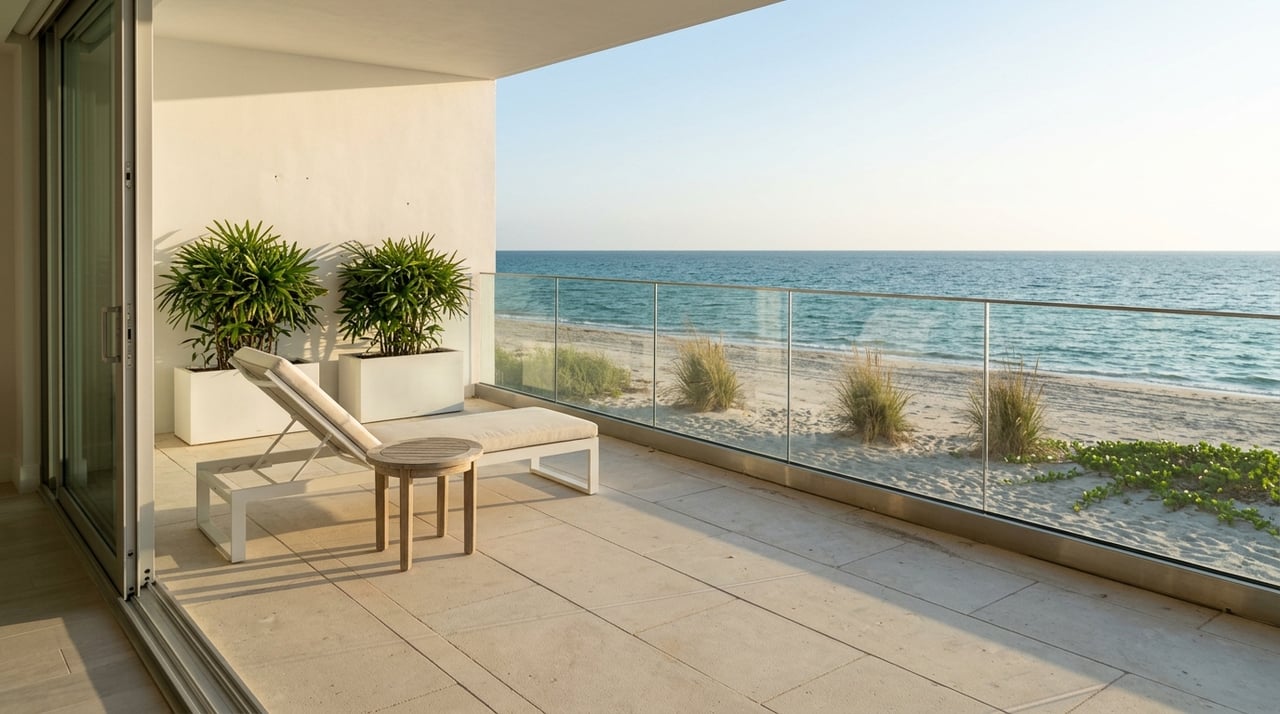
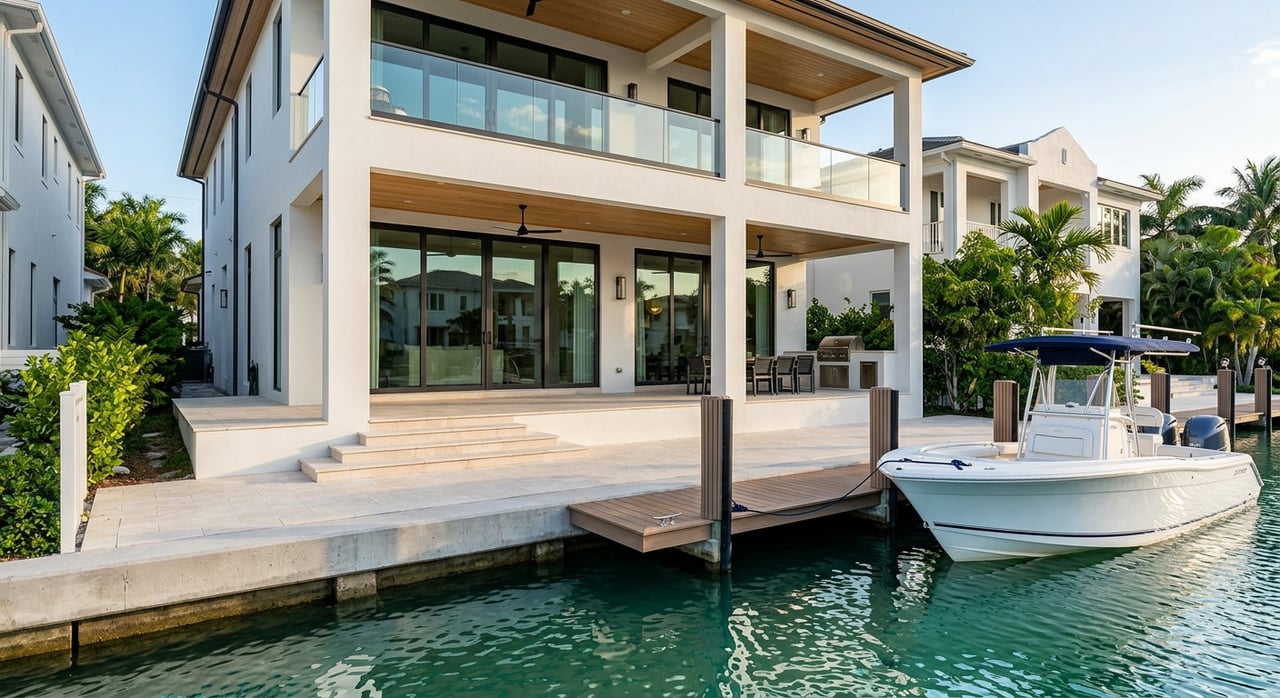
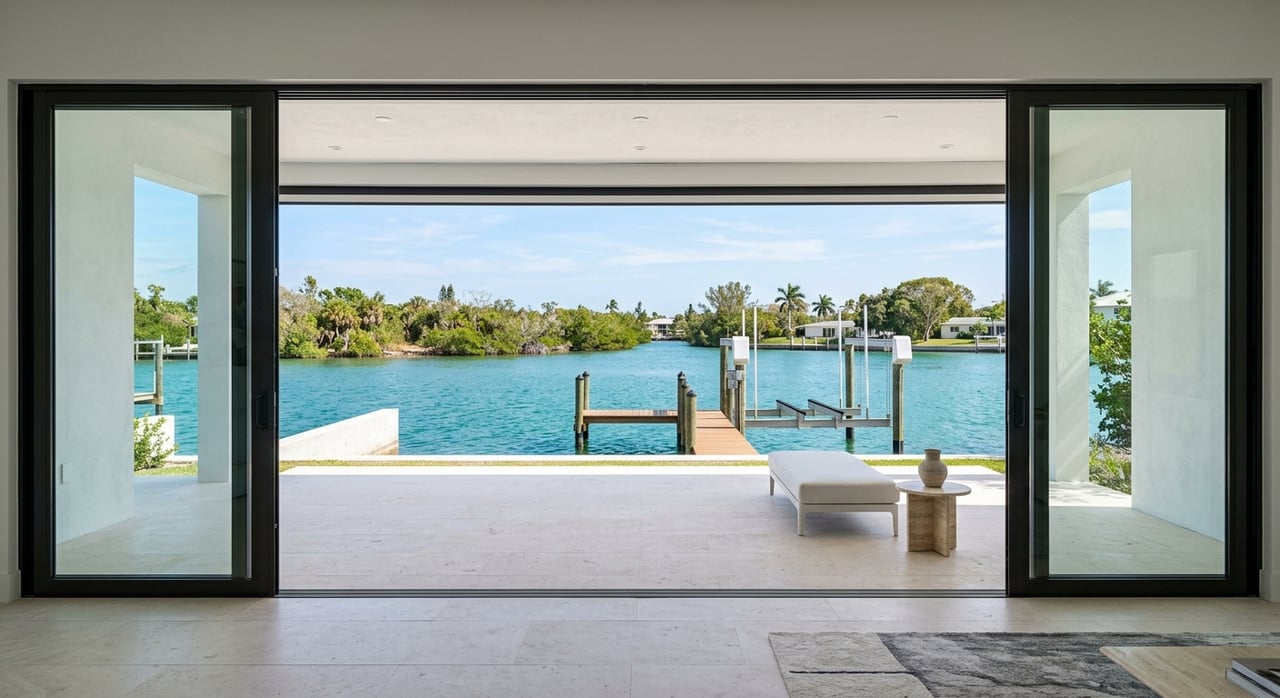
Professional photography should capture more than the pool and patio. For boating buyers, the key visuals often include the dock placement, seawall line, turning basin if relevant, water frontage, and the relationship between indoor living spaces and the backyard waterfront.
These images should tell a practical story. A buyer should be able to look through the photos and quickly understand how the property functions for boating, entertaining, and everyday waterfront living.
Add Floor Plans and Video
A floor plan helps online buyers understand flow before they ever visit. For waterfront homes, it is especially helpful because buyers often want to see how interior gathering areas connect to outdoor spaces, especially the pool deck, patio, and dock.
Video also adds value when it highlights movement through the home and out to the water. A clean walkthrough can help out-of-area or international buyers picture the full experience more clearly before scheduling a showing.
Use Drone Footage the Right Way
Drone footage can be especially effective in Lighthouse Point because it can show the canal setting, the dock location, and the home’s relationship to surrounding waterways. It often gives buyers the clearest view of what makes a waterfront property special.
If you use aerial footage in a commercial listing campaign, the FAA says the operator must hold a Remote Pilot Certificate under Part 107. In other words, aerial marketing should be handled by a properly qualified operator.
Write Listing Copy for Boaters
Generic luxury language can miss the mark with this audience. Boating buyers are usually looking for specifics, not just polished adjectives.
Instead of focusing only on prestige, your listing copy should describe the property in ways that answer practical boating questions. The goal is to make the home feel desirable and easy to understand at the same time.
Prioritize the Details That Matter
Your listing remarks should highlight the waterfront features that support actual use. Based on Lighthouse Point’s permit standards and waterfront context, strong boating-focused copy may include:
- Canal location and waterway connection
- Proximity to the Intracoastal and Hillsboro Inlet
- Dock dimensions
- Lift infrastructure, if present
- Available survey or permit documentation
- Outdoor layout that supports boat access and waterfront entertaining
This kind of language attracts the right audience faster. It also helps filter in buyers who understand and value the property’s waterfront features.
Time Showings Around Water Conditions
Showings for a waterfront home should be planned with more care than a standard property tour. NOAA provides tide prediction tools for Hillsboro Inlet and marine forecast resources for the local South Florida area.
These tools support a practical showing strategy. When possible, boat tours, dock access checks, and exterior photography should be coordinated around favorable tide and weather conditions.
Why Timing Can Shape Buyer Perception
The right showing window can make the waterfront experience feel smoother and more compelling. Better conditions may help buyers assess dock access, view the canal more comfortably, and picture how they would use the property.
This is especially helpful when your likely buyer is comparing multiple waterfront homes in a short period of time. A well-timed showing can make your home feel better prepared and easier to evaluate.
Position Your Home for a Smoother Sale
The best marketing for a Lighthouse Point waterfront home does two things at once. It creates an emotional connection to the boating lifestyle, and it gives buyers the hard information they need to move forward.
That combination matters in a market where dock details, canal access, surveys, and seawall records can influence confidence as much as finishes and staging. When you present both the lifestyle and the logistics well, your home is easier for the right buyer to say yes to.
If you are preparing to sell a waterfront property in Lighthouse Point, the smartest strategy is to start early, organize the details, and market the home through the lens of how boaters actually buy. For tailored guidance, staging support, and concierge-level representation, connect with The Bernal and Hudson Team.
FAQs
What do boating buyers care about most in Lighthouse Point?
- Boating buyers often focus on how the property connects to the canal system, the Intracoastal Waterway, and nearby Hillsboro Inlet, along with practical dock and seawall details.
What dock documents should sellers gather for a Lighthouse Point waterfront home?
- Sellers should organize any available permit history, survey information, dock dimensions, seawall records, and related approvals before marketing the home.
Why is drone footage useful for Lighthouse Point waterfront listings?
- Drone footage can show canal position, dock placement, and the home’s relationship to surrounding waterways in a way that ground photography cannot.
When should waterfront showings happen in Lighthouse Point?
- When possible, waterfront showings, boat tours, and exterior photography should be coordinated around favorable tide and marine conditions using local NOAA forecast tools.
How should a Lighthouse Point waterfront listing be written for boaters?
- The listing should focus on usable water access, canal and Intracoastal connections, dock dimensions, lift features if present, and any organized waterfront documentation that helps buyers evaluate the property quickly.