Shopping for a home in Boca Raton where prices frequently sit above the norm? If your loan amount is larger than the county’s conforming limit, you are in jumbo territory. That can affect your rate, paperwork, and timing. You deserve a clear path forward so you can focus on finding the right home with confidence. In this guide, you will learn what defines a jumbo loan in Palm Beach County, how it differs from conforming financing, what documentation to prepare, and Boca Raton issues to plan for, plus a practical checklist and next steps. Let’s dive in.
What makes a loan “jumbo” in Palm Beach County
The basic definition
A jumbo loan is any mortgage that exceeds the county-level conforming loan limit set each year by the Federal Housing Finance Agency. Conforming loans meet Fannie Mae and Freddie Mac purchase guidelines and fall at or below that limit. Anything above the limit is considered non-conforming, or “jumbo,” and is held or sold by banks and investors outside the standard agency programs.
Why it matters in Boca Raton
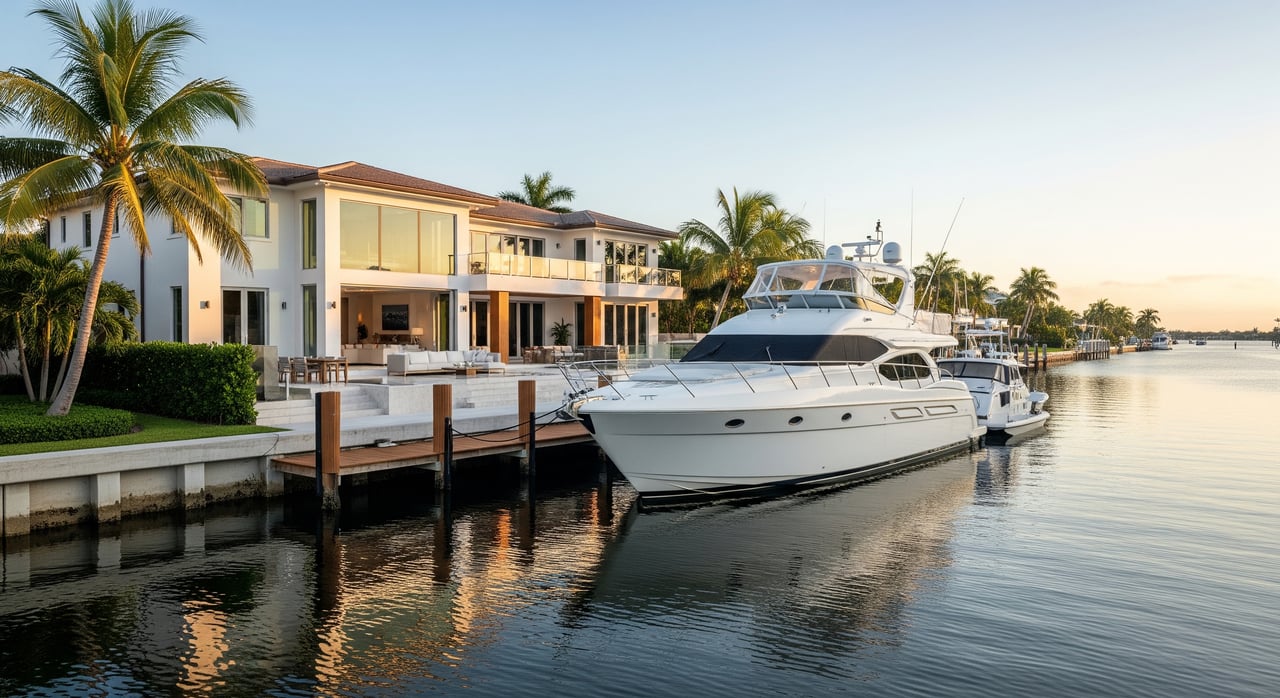
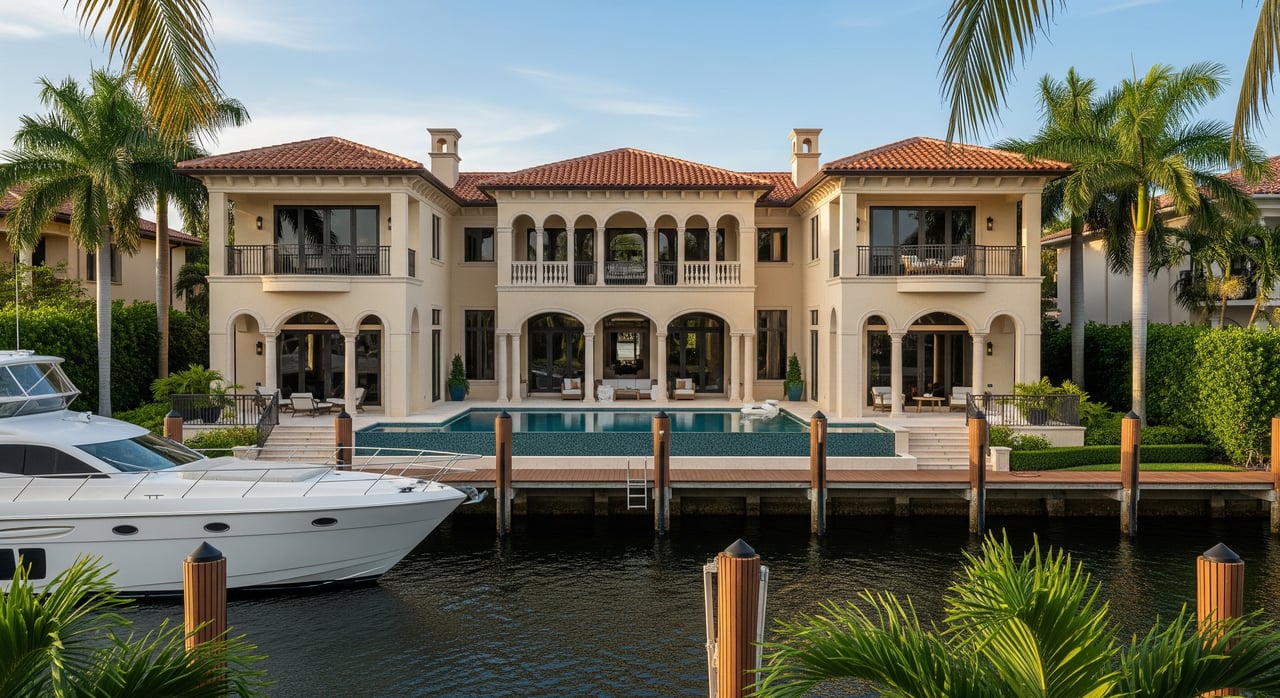
Boca Raton has many higher-priced neighborhoods, waterfront properties, and country-club communities. It is common for move-up and luxury purchases to require financing above the conforming cap. Because these limits change annually, you should confirm the current Palm Beach County limit before classifying your loan type.
How to confirm the current limit
Check the FHFA’s single-family conforming loan limits table for the latest county numbers. Palm Beach County is not always designated as a high-cost area, so do not assume a higher “high-balance” threshold without verifying the current year.
How jumbo loans differ from conforming loans
Rates and pricing dynamics
Historically, jumbo mortgages often carried higher interest rates than conforming loans because they are not guaranteed by Fannie Mae or Freddie Mac. Today, the gap can vary with market conditions. Sometimes the difference is small. Other times, the spread widens by a few tenths of a percent or more. Your final rate also depends on key factors like loan-to-value ratio, credit score, the size of the loan, whether you choose a fixed or adjustable rate, and property type, including condo versus single-family.
Underwriting standards you can expect
Jumbo underwriting is typically more conservative than conforming. While each lender sets its own criteria, common themes include:
- Credit score: Many lenders look for 700 to 760 or higher for the best pricing, with 720 often a practical target.
- Down payment and LTV: For a primary residence, 10 to 20 percent down is common. Many lenders prefer 20 percent on jumbo purchases. Second homes and investment properties often require 20 to 30 percent or more.
- Debt-to-income ratio: Maximums around 43 to 45 percent are common, though stronger reserves and credit may allow flexibility.
- Cash reserves: Expect to show 6 to 12 months of mortgage payments in reserve for a primary home. Second homes and investment properties can require 12 to 24 months.
- Documentation: Full documentation is the norm. Lenders verify income, assets, and the stability of those sources in more detail.
Product options and flexibility
Jumbo financing often comes from portfolio lenders and private banks. These institutions may offer more flexible underwriting, such as asset-based or bank-statement programs, sometimes at different pricing. Adjustable-rate mortgages and interest-only options may be available for jumbo sizes. Agency “high-balance” programs exist for certain high-cost counties, but you should verify whether Palm Beach County qualifies for the year you plan to purchase.
What to prepare: documentation for affluent buyers
Personal financial documentation
Gather your core documents before you shop so you can move quickly when the right home appears:
- Two years of federal tax returns with all schedules, plus W-2s or 1099s.
- Recent pay stubs covering the last 30 to 60 days if salaried.
- Documentation for bonuses, commissions, or rental income, including evidence that they are likely to continue.
- Bank statements for at least the last 2 to 3 months. Be prepared to source large deposits.
- Investment and retirement account statements. If securities are counted as reserves, lenders may apply a valuation haircut.
- Gift letters and supporting documentation if any funds are gifted.
If you are self-employed or own a business
You will likely need two years of personal and business tax returns, including K-1s if applicable, along with a current year-to-date profit and loss statement and balance sheet. Some lenders also review 1099s or contractor billing records.
If you plan to qualify with assets
Certain lenders offer asset-depletion or bank-statement programs. In those cases, you will provide detailed bank and investment statements, and possibly a letter from a private banker if the loan is through a portfolio program.
Property, insurance, and appraisal items
For condominiums, expect a review of the association budget, reserves, and overall project health. In flood zones, lenders require proof of flood insurance. Florida’s insurance market can be complex, with wind and hurricane coverage and deductibles affecting total cost and sometimes qualifying. For luxury properties, appraisals may take longer and may require a specialized professional. Some lenders order a second appraisal for unique or high-end homes.
Boca Raton specifics you should plan for
Flood and wind insurance realities
Boca Raton’s coastal exposure means flood insurance may be required depending on the property’s location. Lenders will require adequate hazard insurance, and wind coverage is standard in Florida. Premiums and deductibles can be higher than you might expect, so it is wise to obtain quotes early. Higher insurance costs can influence your qualifying ratios and reserve requirements.
Condos, HOAs, and project reviews
Boca Raton features many condo buildings and gated communities. For condos, lenders often review the association’s financials, reserve levels, owner-occupancy ratios, litigation status, and special assessments. Large HOA dues and assessments are included in your housing cost for qualification and can impact debt-to-income calculations. Healthy condo projects tend to make underwriting smoother and can support better loan terms.
Appraisals and scarce luxury comps
High-end Boca Raton properties are often unique. Waterfront estates and custom homes may have limited comparable sales. Appraisers may need more time, broader search areas, or additional analysis to support value. If you have seller-provided comparables or market context, share them early to help streamline the process.
Taxes and closing costs
Florida has no state income tax, but you should budget for Palm Beach County property taxes and standard closing costs such as title insurance and recording fees. Larger purchase prices mean higher prorated taxes and documentary stamps, so account for these when planning cash to close.
Local lender and private banking relationships
Many Boca Raton jumbo buyers benefit from working with mortgage brokers and private banks that actively serve the area. A lender who regularly finances complex, high-value homes in Palm Beach County will better understand condo projects, coastal insurance, and luxury appraisals, which can reduce friction and surprises.
A step-by-step checklist for Boca Raton buyers
- Verify the current conforming loan limit for Palm Beach County so you know whether your loan size is jumbo.
- Gather two years of tax returns, recent pay stubs, and two to three months of bank and investment statements. Be ready to provide six to twelve months of statements if requested.
- Prepare documentation for large deposits, including gift letters and asset transfer records.
- If self-employed, assemble business returns, year-to-date financials, and any required accountant letters.
- If purchasing a condo, collect the association’s financials, budget, and recent meeting minutes early in the process.
- Check the home’s flood zone status and obtain flood and wind insurance quotes at the offer stage.
- Ask each lender about required reserves for your loan size and property type so you can plan liquidity.
- Compare at least three jumbo lenders or consult a mortgage broker with Palm Beach County experience to evaluate rates, fees, and underwriting flexibility.
- Build in time for a luxury appraisal. Ask for an appraiser with high-end and waterfront experience when possible.
- Discuss product options, such as fixed versus ARM and interest-only structures, and clarify how rate locks and float-downs work.
Smart next steps to get prepared
- Confirm the current FHFA conforming limit for Palm Beach County before finalizing your loan strategy.
- Speak with two to three jumbo lenders or a seasoned mortgage broker to understand pricing and documentation requirements for your profile.
- Secure a written pre-approval that spells out your maximum loan amount, estimated rate, and required reserves. This strengthens your offer and sets expectations.
- If you are targeting a condo or a home in a flood zone, start the condo review and insurance conversations as soon as you are under contract to avoid delays.
- If your finances are complex or heavily asset-based, ask about portfolio and asset-depletion programs through private banks or portfolio lenders.
Bringing it all together
Choosing the right jumbo strategy in Boca Raton is about preparation and the right partners. When you understand what makes a loan “jumbo,” how lenders evaluate risk, and how local factors like insurance, condos, and luxury appraisals affect approval, you can negotiate with confidence and avoid surprises. With a clear pre-approval, proper documentation, and proactive insurance planning, you will be ready to move quickly when you find the perfect home.
If you want tailored guidance, a clear game plan, and access to private opportunities while you finalize financing, our boutique team is here to help. Connect with us to align your loan strategy with your search, coordinate lender introductions, and time your move with confidence. Start your conversation with Unknown Company.
FAQs
What defines a jumbo loan in Palm Beach County?
- A jumbo loan is any mortgage above the FHFA county conforming limit. The limit changes each year, so verify the current number before you shop.
Do jumbo loans always have higher interest rates?
- Not always. The rate spread changes with market conditions. Your rate depends on credit, loan-to-value, loan size, and product type.
How much down payment do I need for Boca Raton jumbos?
- For primary homes, 10 to 20 percent is common, with many lenders preferring 20 percent. Second homes and investment properties often require 20 to 30 percent or more.
Can I qualify for a jumbo using assets instead of income?
- Some lenders offer asset-depletion or bank-statement programs, especially through portfolio lenders and private banks. Terms and pricing vary.
Are condos harder to finance with a jumbo loan?
- Often yes. Lenders review condo project health, including reserves, litigation, and owner-occupancy ratios. HOA dues and assessments factor into qualification.
How long does a jumbo mortgage approval take in Boca?
- Timelines can be similar to conforming loans, around 30 to 45 days. Luxury appraisals, condo reviews, and additional documentation can extend the process.