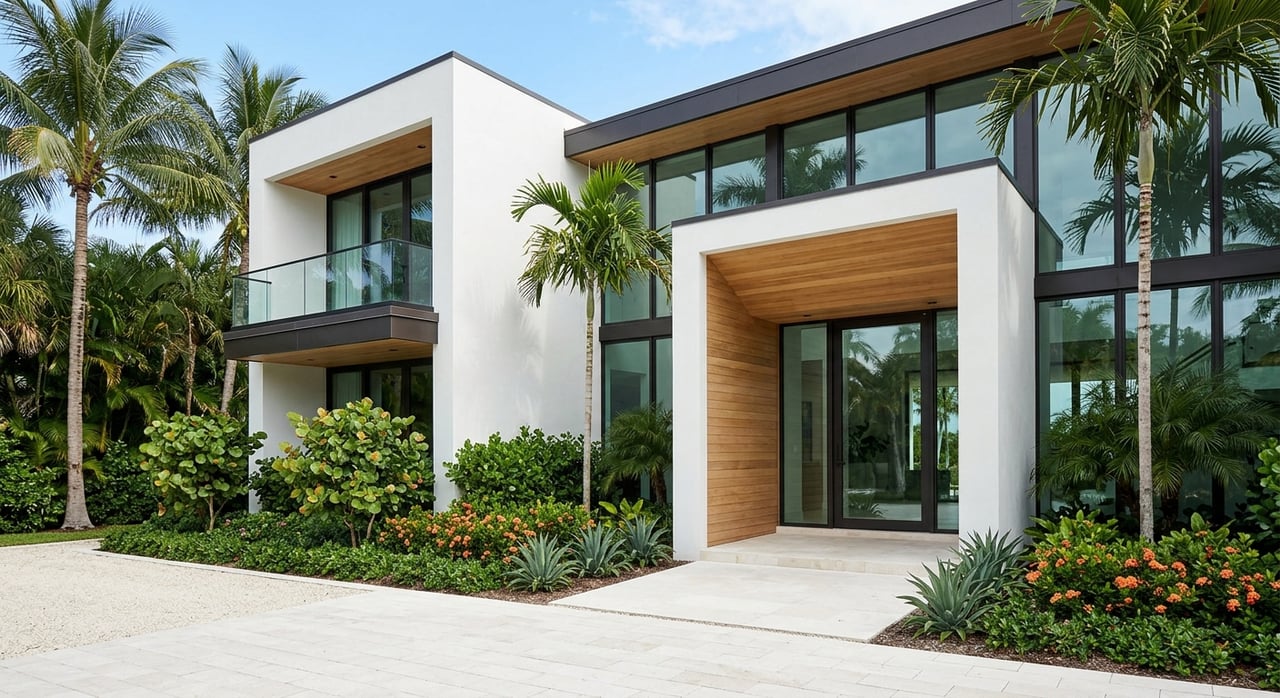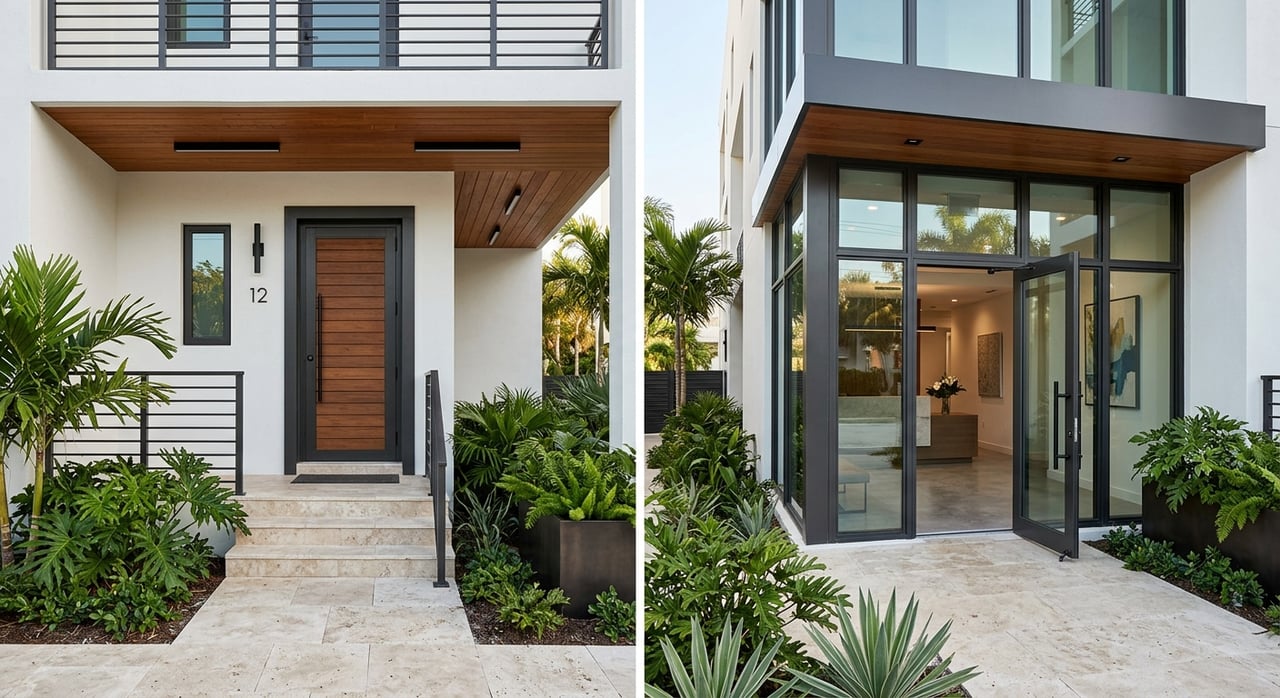
Wondering whether a condo or townhome makes more sense in Downtown Delray Beach? It is a smart question, especially in a walkable coastal downtown where convenience, upkeep, parking, and monthly costs can shape your day-to-day life as much as the floor plan itself. If you are trying to choose the right fit, this guide will help you compare the legal structure, ownership responsibilities, insurance, and lifestyle tradeoffs that matter most in Downtown Delray Beach. Let’s dive in.
Why the legal structure matters first
In Downtown Delray Beach, the biggest difference between a condo and a townhome is not always what the building looks like from the street. In Florida, condominiums are governed under Chapter 718, while homeowners’ association communities are governed under Chapter 720. That means the recorded declaration, plat, and title documents matter more than the marketing label.
A property may look like a townhome but still be legally structured as a condominium. That distinction affects maintenance, insurance, assessments, and even how shared spaces are handled. Before you fall in love with a layout or rooftop terrace, make sure you know exactly what you are buying.
Condo vs townhome in Downtown Delray Beach
How condos are generally structured
With a condo, the property around your unit is typically treated as common elements. The association is generally responsible for maintaining those common elements, though the declaration may assign some limited-common-element maintenance to the unit owner. Florida law also gives condo associations access to units when needed to maintain, repair, or replace areas they are responsible for.
For many buyers, this setup supports a more lock-and-leave lifestyle. If you split time between South Florida and another home, or simply want fewer exterior responsibilities, that can be a major plus. In a downtown setting, that convenience often becomes part of the value.
How townhomes are generally structured
Townhomes in HOA communities are usually more parcel-based. Common areas are association-owned or association-maintained property, but the ownership model is often closer to owning a house than owning a unit in a larger shared building.
That can appeal to buyers who want a more private, house-like feel. It can also mean more owner-level responsibility, depending on what the governing documents say. The key is to confirm what the association handles and what falls to you.
Maintenance and ownership responsibilities
What condo owners should expect
In many condo communities, the association handles a broader share of exterior and common-element maintenance. That can include building-related responsibilities spelled out in the declaration and budget. However, some items tied to your specific unit may still be your responsibility.
Because the details vary, you should review what dues actually cover. Ask about exterior maintenance, roof responsibilities, windows, insurance, landscaping, amenities, reserves, and parking. In older downtown buildings, this review is especially important.
What townhome owners should expect
Townhome ownership often comes with a bit more individual responsibility. While the HOA may maintain shared grounds or amenities, your obligations may be more extensive than in a condo. That can include building components or exterior items, depending on the community documents.
This setup can work well if you want more control and do not mind a little more hands-on ownership. Still, never assume. Two properties with a similar appearance can have very different maintenance structures.
Insurance and financial exposure
Condo insurance is usually more specialized
Condo owners in Florida usually buy HO-6 coverage. According to the Florida consumer guide, HO-6 typically covers personal property and certain building items not insured by the association’s master policy. Florida law also prohibits the master policy from covering certain interior items, including floor, wall, and ceiling coverings, electrical fixtures, appliances, built-in cabinets, and window treatments.
That means condo buyers should look closely at where the association’s coverage stops and personal coverage begins. The same Florida guide also says condo associations may assess owners for damage to commonly owned areas. HO-6 policies must include at least $2,000 of loss-assessment coverage, with a deductible cap of $250.
Townhome insurance depends on the documents
For townhomes, insurance can look more like a standard homeowners setup, but the recorded documents still control. Florida’s homeowners insurance guide notes that policy type depends on the kind of property you own. In practice, that means one townhome community may require a different coverage approach than another.
The takeaway is simple: do not estimate insurance needs based on architecture alone. Ask your insurance professional to review the association documents so your policy matches the legal ownership structure.
Reserve studies, inspections, and special assessments
This is one of the most important issues in today’s Florida condo market. Residential condo associations with buildings that are three habitable stories or higher must complete a structural integrity reserve study at least every 10 years. Associations existing on or before July 1, 2022 and controlled by unit owners had to complete that study by December 31, 2025.
Florida’s milestone inspection law also applies to condo and co-op buildings that are three habitable stories or more. Those buildings require inspections at 30 years and every 10 years after that. Buildings under three stories are generally exempt from the structural-integrity reserve-study paragraph.
For buyers considering older downtown condos, this can create more exposure to reserve changes, repair schedules, or special assessments. That does not mean you should avoid condos. It means you should review the current budget, reserve schedule, inspection timeline, and any recent or pending special assessments before you commit.
Townhome communities can also levy assessments, and unpaid assessments can become liens when authorized by the governing documents. In other words, dues are not optional in practice. Whether you are buying a condo or a townhome, financial due diligence matters.
Why lifestyle fit matters in Downtown Delray Beach
Downtown Delray Beach is not just a place to live. It is a compact urban core designed to preserve historic and cultural character while supporting vitality and growth. The city points to places like Old School Square at Atlantic and Swinton as part of that downtown identity.
That setting shapes the condo-versus-townhome decision. If you want a low-maintenance home base near arts, dining, nightlife, and downtown activity, a condo may feel like the easier fit. If you want more separation, a more private feel, or a layout that lives more like a house, a townhome may align better.
Neither option is automatically better. The right choice depends on how you want to live, how often you will be in residence, and how much day-to-day responsibility you want to take on.
Parking can change the equation
In Downtown Delray Beach, parking is not a minor detail. It can meaningfully affect convenience and monthly ownership costs. That is why parking should be part of your comparison from the start.
The city offers a Downtown Resident Parking Permit for downtown residents who do not have resident parking in their housing unit. It costs $90 plus tax per year, is limited to two permits per housing unit, and is valid only in designated garages and surface lots. It is not valid on Atlantic Avenue, at the beach, or east of the Intracoastal.
The city also offers a City Resident Downtown Parking Permit for residents within Delray Beach city limits. That permit costs $12 per year, is limited to two permits per housing unit, and can be used in designated downtown garages, lots, and side streets. The city also states that garage parking is free all night if you enter before 6 p.m., though spaces are not guaranteed.
This matters because some condos and townhomes include assigned or resident parking, while others depend more on the city permit system. The city’s rules also state that residents with housing-unit parking are not eligible for the downtown resident permit. So when you compare properties, think beyond the number of bedrooms and ask how parking will actually work in daily life.
Questions to ask before you choose
Before you decide between a condo and a townhome in Downtown Delray Beach, verify the details that affect ownership most:
- Is the property legally a condominium, a fee-simple townhouse, or a townhouse-style condo?
- What do the dues cover, specifically?
- Are there upcoming structural inspections, reserve studies, or assessment votes?
- How much is currently held in reserves?
- Have there been any recent special assessments?
- Does the property include deeded, assigned, or guest parking?
- Is the home eligible for a city parking permit if on-site parking is limited?
- What insurance responsibilities belong to the association and what belongs to you?
These answers often reveal the real difference between two properties that seem similar at first glance.
Which option is right for you?
If your top priority is simplicity, shared maintenance, and a more lock-and-leave setup, a condo may be the better fit. If you prefer a more house-like ownership model and are comfortable taking on responsibilities defined in the governing documents, a townhome may suit you better.
In Downtown Delray Beach, the best choice usually comes down to three things: legal structure, financial exposure, and daily convenience. Once you understand those pieces, your decision becomes much clearer.
If you want help comparing condo and townhome options in Downtown Delray Beach, The Bernal and Hudson Team can help you evaluate the documents, lifestyle fit, and day-to-day realities behind each property so you can move forward with confidence.
FAQs
What is the main difference between a condo and a townhome in Downtown Delray Beach?
- The biggest difference is usually the legal ownership structure, not the exterior style. In Florida, condos and HOA communities are governed differently, which affects maintenance, insurance, and common areas.
What should buyers review before buying a condo in Downtown Delray Beach?
- You should review the declaration, budget, reserve schedule, insurance responsibilities, inspection timelines, and any recent or pending special assessments.
Do townhomes in Downtown Delray Beach always have lower fees than condos?
- Not necessarily. Fees depend on what the association maintains, the amenities offered, reserve funding, and the governing documents.
How does parking work for Downtown Delray Beach residents?
- Parking depends on whether the property includes resident parking and whether the home qualifies for a city permit. Downtown permit options have specific costs, usage limits, and location rules.
Are older condo buildings in Downtown Delray Beach subject to inspections?
- Condo buildings that are three habitable stories or more are subject to Florida milestone inspection rules and structural integrity reserve study requirements on the timelines set by state law.
Is a townhouse-style property always legally a townhome in Downtown Delray Beach?
- No. A property may look like a townhome but still be legally structured as a condominium, so buyers should verify the declaration, plat, and title documents.