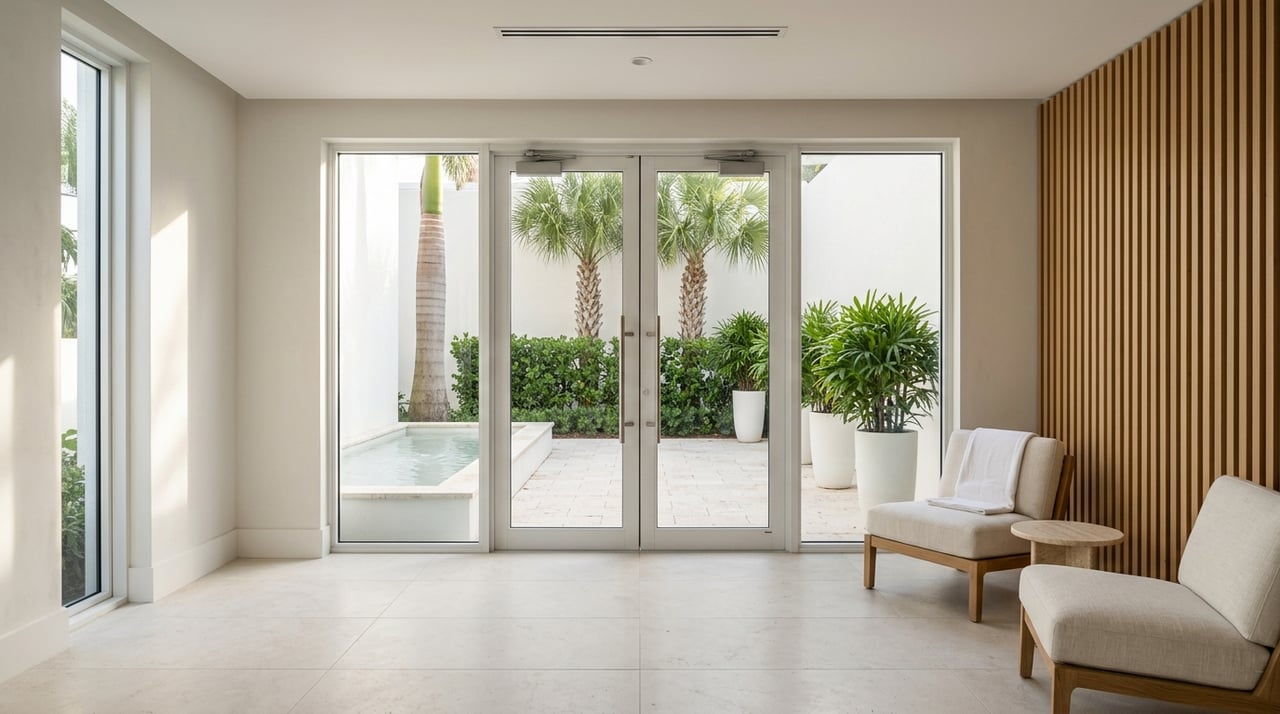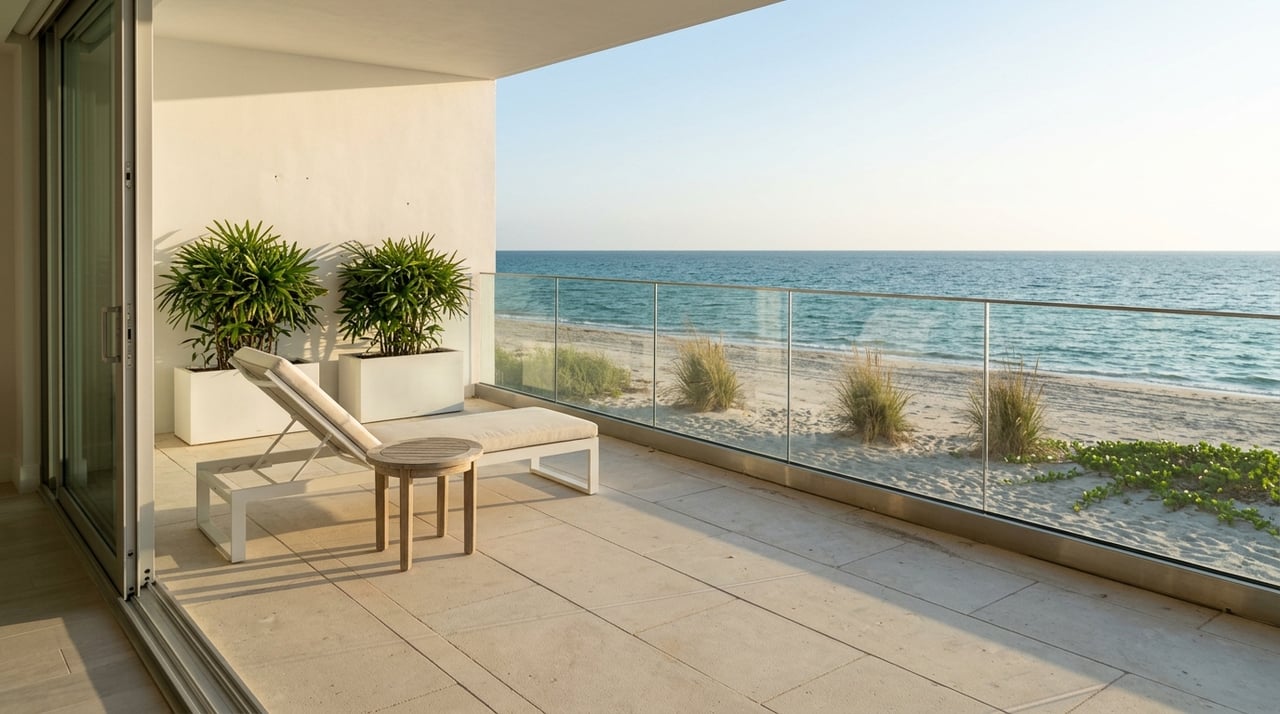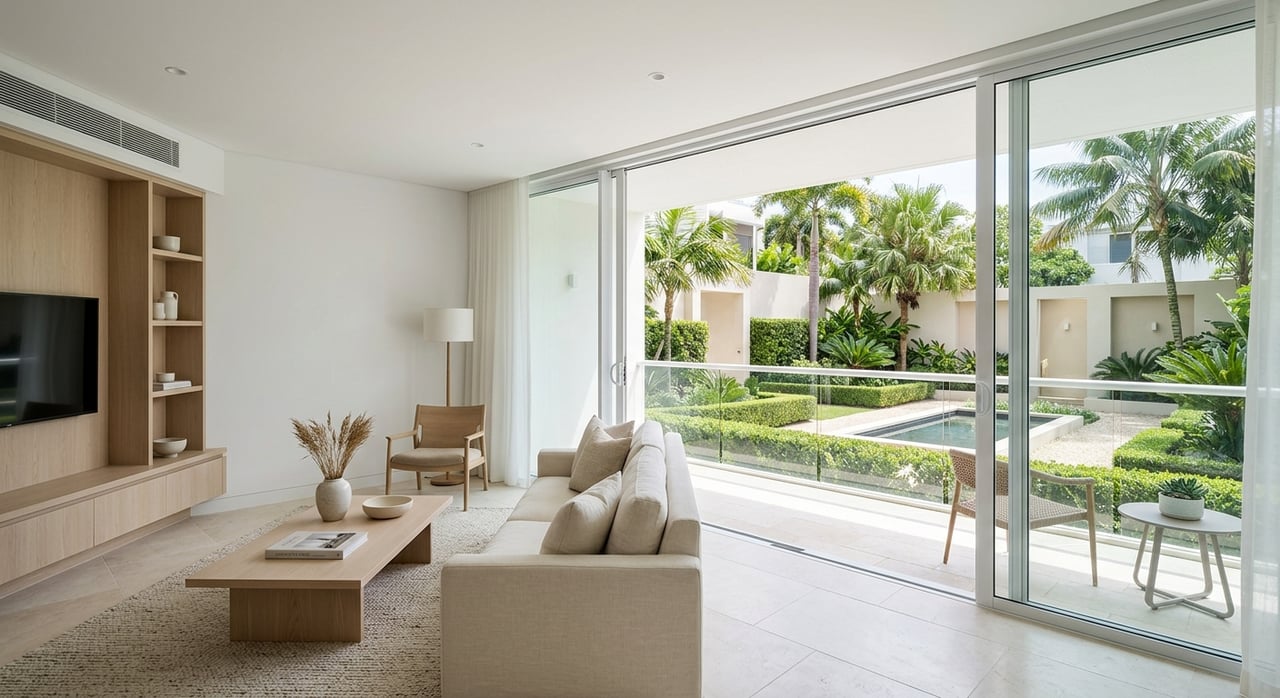
Wondering if a Boynton Beach condo is the right fit for your seasonal Florida home? If you want sunshine, easy travel, and a property you can lock up and leave without a lot of extra work, Boynton Beach deserves a close look. The key is not just finding a beautiful unit, but choosing the right building, understanding the condo rules, and knowing what ownership will really feel like when you are only here part of the year. Let’s dive in.
Why Boynton Beach Works Seasonally
Boynton Beach offers a practical mix of lifestyle and convenience that appeals to part-time owners. The city is the third largest municipality in Palm Beach County, with an estimated population of about 80,139, and it combines coastal access with everyday services that make seasonal living easier.
For many buyers, the location is a big part of the draw. Boynton Beach has direct access to the Florida Turnpike, three I-95 exits, a Tri-Rail station, and proximity to three major international airports. If you plan to come and go throughout the year, that transportation network can make travel much more manageable.
The lifestyle side matters too. The city highlights waterfront dining, a municipal beach, 29 parks, and 9 recreation centers. Oceanfront Park Beach is open 365 days a year with daily lifeguards, and Boynton Harbor Marina is a major center for boating, fishing, and other marine activities.
What Seasonal Buyers Usually Need
A seasonal condo is different from a full-time residence. You are not just buying square footage or a view. You are buying ease, security, and predictability when you are in Florida and when you are away.
Most seasonal buyers want a true lock-and-leave setup. That usually means a building with a clear maintenance structure, a straightforward arrival and departure routine, and rules that do not create headaches during long absences.
As you narrow your options, focus on practical ownership questions like these:
- Who handles routine exterior and common-area maintenance?
- How secure does the building feel when units are vacant for stretches of time?
- Is parking easy for owners and guests?
- Is there storage for beach gear, bikes, or seasonal items?
- How quickly can the unit be secured when you leave?
- Are there any rules that make extended absences harder?
Focus on the Building, Not Just the Unit
It is easy to fall in love with updated interiors, natural light, or a balcony view. But with a seasonal condo, the building can matter just as much as the unit itself.
Florida condo disclosure forms reinforce that point. Buyers are expected to review use restrictions, leasing rules, assessments, other mandatory memberships, and any recreational or land-use fees before closing. That means your decision should go beyond finishes and amenities.
A beautifully renovated condo in a poorly run building may become more stressful and expensive than expected. On the other hand, a well-managed association with clear rules, sound finances, and organized records can make seasonal ownership feel far smoother.
Hurricane Protection Questions to Ask
In coastal South Florida, hurricane protection should be part of your buying strategy from day one. Florida law requires certain condominium boards to adopt hurricane-protection specifications, but the declaration determines whether the association or the unit owner is responsible for installation, maintenance, repair, replacement, or the removal and reinstallation of items like shutters, windows, and doors.
For a seasonal owner, this is more than a legal detail. You need to know who is responsible for securing the unit before a storm and whether the process works smoothly if you are out of state.
Ask these questions before you commit:
- Who closes or secures hurricane protection systems?
- Are shutters, impact windows, or protective systems already in place?
- Does the association coordinate storm prep for absent owners?
- Are there building rules that affect long absences during storm season?
Understand Insurance Inside the Unit
Many buyers assume the condo association’s insurance covers everything. It does not. Florida law requires condominium associations to carry adequate property insurance, but the statute excludes personal property and many interior items within the unit.
That can include floor coverings, cabinets, appliances, and window treatments. In simple terms, the association’s policy may protect the building in a broader sense, while you may still need a unit-owner policy to protect the interior parts of your home and your belongings.
This matters even more for seasonal owners. If the condo sits vacant for part of the year, you want clarity about what is covered, what is not, and how your own policy fits with the association’s master policy.
Florida Condo Due Diligence Is Document-Driven
If you are buying a resale condo in Boynton Beach, document review is one of the most important parts of the process. Florida law requires sellers to provide a package of condominium documents, including the declaration, articles, bylaws, rules, the most recent annual financial statement and annual budget, and the FAQ sheet.
If applicable, the package also includes milestone inspection, turnover inspection, and structural integrity reserve study materials. Buyers should pay close attention because Florida law gives resale buyers a 3-business-day voidability window after receiving the required documents.
That is a short review period. If you are buying from out of state or while juggling travel, you need an organized plan for reviewing everything quickly and carefully.
The Condo Documents That Matter Most
Some condo records are more revealing than others. While every document matters, a few tend to answer the biggest questions for seasonal buyers.
Here is what to focus on first:
- Declaration and bylaws: These explain ownership rights, responsibilities, and operational structure.
- Rules and regulations: These often cover pets, parking, guest use, move-in procedures, and occupancy guidelines.
- Annual budget and financial statements: These help you evaluate whether monthly fees appear to align with building obligations.
- DBPR FAQ sheet: This flags voting rights, use restrictions, leasing limits, assessments, extra memberships, fees, and certain lawsuits.
- Inspection and reserve materials: These can reveal deferred maintenance, upcoming repairs, and long-term funding needs.
The goal is simple. You want to understand how the building works today and what it may cost to own there tomorrow.
Why Reserves and Inspections Matter More Now
For older condo buildings, milestone inspections and structural integrity reserve studies deserve extra attention. Under Florida law, a milestone inspection is required for buildings that are three habitable stories or higher by the year the building reaches 30 years of age, and then every 10 years after that.
A structural integrity reserve study is also required at least every 10 years for the same category of buildings. That study covers major components such as the roof, structure, fire-protection systems, plumbing, electrical systems, waterproofing and exterior painting, windows and exterior doors, plus certain deferred-maintenance items.
This is especially important for seasonal buyers who may be tempted by an older coastal building with lower monthly fees. A low-fee condo can still become expensive if reserves are underfunded and the building later needs repairs or a special assessment.
Florida law also tightened reserve funding. In certain associations that must obtain a structural integrity reserve study, unit owners cannot vote to fund less than the required reserves for listed structural items. That makes reserve review a real financial issue, not just a paperwork detail.
Remote Ownership Is Getting Easier, But Verify Everything
If you will not live in Florida year-round, online records can be helpful. Associations with 25 or more units must post many core records online by January 1, 2026, including governing documents, rules, recent board minutes, budgets, financial reports, inspection reports, and the most recent structural integrity reserve study if applicable.
That is a meaningful step for remote owners. Still, you should not rely on summaries alone. Ask for the actual documents so you can review the full picture before you buy.
Check Rental Flexibility Before You Sign
Some seasonal buyers want the option to rent out the condo when they are not using it. If that is part of your plan, do not assume the listing tells the full story.
In Florida condos, the governing documents control leasing restrictions. The DBPR buyer FAQ specifically asks whether the unit may be leased and what other fees or memberships apply.
Before contract execution, confirm:
- Minimum lease term
- Approval process for tenants
- Any rental caps or waiting periods
- Extra leasing fees or application costs
- Rules that affect owner use versus tenant use
If rental income is part of your ownership strategy, this review needs to happen early.
Verify Flood Exposure by Building
In a coastal market like Boynton Beach, flood exposure should be reviewed building by building. You should not assume flood risk based only on the city name or a general impression of the area.
Because Boynton Beach includes oceanfront, marina, and waterfront areas, the specific building’s flood-zone status should be checked directly. Buyers should compare the building’s flood designation with the condo association’s master policy and their own unit-owner policy.
This is one of those details that can affect both risk and cost. It is worth understanding before you move forward.
Do Not Count on a Homestead Exemption
If you are buying a Boynton Beach condo as a seasonal home, it usually should not be treated the same way as a permanent Florida residence. Florida’s homestead exemption generally applies only when the property becomes your permanent residence.
For many part-time owners, that means a seasonal home will not qualify. It is smart to verify how ownership will be classified before closing so your expectations match reality.
A Smart Closing Checklist for Seasonal Buyers
If you want to buy with confidence, keep your due diligence process simple and disciplined. A seasonal condo purchase should feel exciting, but it should also be methodical.
Use this checklist as a starting point:
- Read the declaration, bylaws, rules, budget, and FAQ sheet
- Confirm the latest financial statements and reserve information
- Review milestone inspection and structural integrity reserve study materials, if applicable
- Verify flood exposure and compare insurance responsibilities
- Check leasing and pet rules carefully
- Clarify hurricane protection responsibilities
- Have a Florida real estate attorney review the contract and ownership details
- Consult a tax or insurance professional when needed
That process is especially important in older coastal buildings, where repair obligations and association costs can shift quickly after inspections or reserve reviews.
The Right Condo Should Feel Easy
Buying a Boynton Beach condo as your seasonal Florida home can be a smart lifestyle move. The city offers strong travel access, beach and marina amenities, and the kind of everyday convenience that supports part-time living.
The best purchase, though, is not always the one with the flashiest finishes or lowest fees. It is the one that fits how you actually plan to live, travel, secure the property, and manage costs over time.
If you want clear guidance on Boynton Beach condos and a more tailored approach to seasonal buying in South Florida, The Bernal and Hudson Team can help you evaluate the building, the documents, and the bigger picture with the high-touch service this kind of purchase deserves.
FAQs
What makes Boynton Beach a good place for a seasonal Florida condo?
- Boynton Beach offers beach access, marina access, parks, recreation centers, and strong transportation connections through I-95, the Florida Turnpike, Tri-Rail, and nearby international airports.
What condo features matter most for a seasonal owner in Boynton Beach?
- Seasonal owners often prioritize lock-and-leave convenience, building security, easy parking and storage, clear maintenance responsibilities, and simple storm-preparation procedures.
What documents should you review before buying a Boynton Beach resale condo?
- You should review the declaration, articles, bylaws, rules, annual financial statement, annual budget, FAQ sheet, and any available milestone inspection or structural integrity reserve study materials.
Why are reserve studies important when buying a Boynton Beach condo?
- Reserve studies help show whether a building is planning and funding major repairs for items like the roof, structure, plumbing, electrical systems, windows, and waterproofing.
Can you rent out a seasonal condo in Boynton Beach when you are away?
- Possibly, but you need to confirm the condo documents because leasing restrictions, approval requirements, fees, and rental caps are controlled by the association documents.
Does a seasonal condo in Boynton Beach qualify for Florida homestead exemption?
- Usually not, because Florida’s homestead exemption generally applies when the property is your permanent residence rather than a part-time home.